
The year 2026 marks a structural shift in enterprise software. The market has definitively moved past the era of isolated chatbots and simple conversational copilots. Today, Fortune 500 companies' capital allocations are heavily focused on autonomous execution systems and AI agents capable of planning multi-step tasks, calling enterprise APIs, and resolving operational exceptions entirely in the background.
However, this rapid maturation has created an incredibly crowded vendor ecosystem. Every legacy software suite and cloud infrastructure provider has rebranded their offerings around "agentic workflows." For enterprise technology leaders, separating true system-level orchestration from basic API wrappers is a high-stakes challenge. Choosing the wrong foundational agent platform can result in severe vendor lock-in, compliance failures, and fragmented data silos.
To help you cut through the market noise, this guide presents an objective, architectural evaluation framework for assessing AI agent infrastructure. We analyze the top 8 enterprise agent platforms dominating the market in 2026 based on their core capabilities, integration ecosystems, and governance
models.

The 2026 Enterprise Evaluation Framework
Evaluating an enterprise AI agent platform requires looking far beyond a user-friendly drag-and-drop interface. To support hundreds of production-grade autonomous workloads, your platform must meet strict architectural criteria.
When building an enterprise RFP or vendor assessment matrix, prioritize these four pillars:
THE 4 PILLARS OF AGENT EVALUATION
The Top 8 Enterprise AI Agent Platforms Reviewed
1.
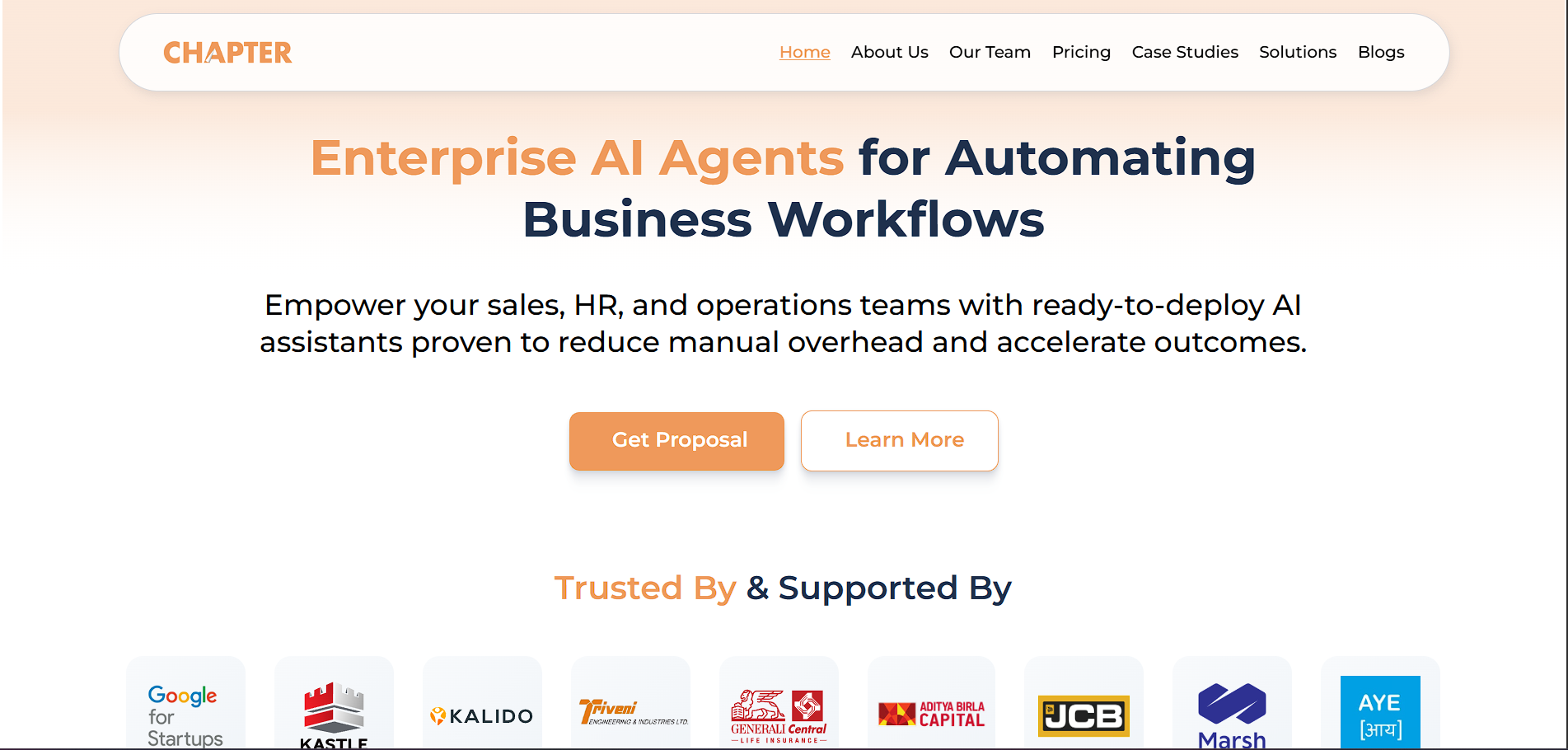
Chapter Enterprise
Best For: Cross-system automation, enterprises with legacy infrastructure, or highly specific workflow requirements that incumbents cannot natively support.
Model-Agnostic
Visit Website

2.
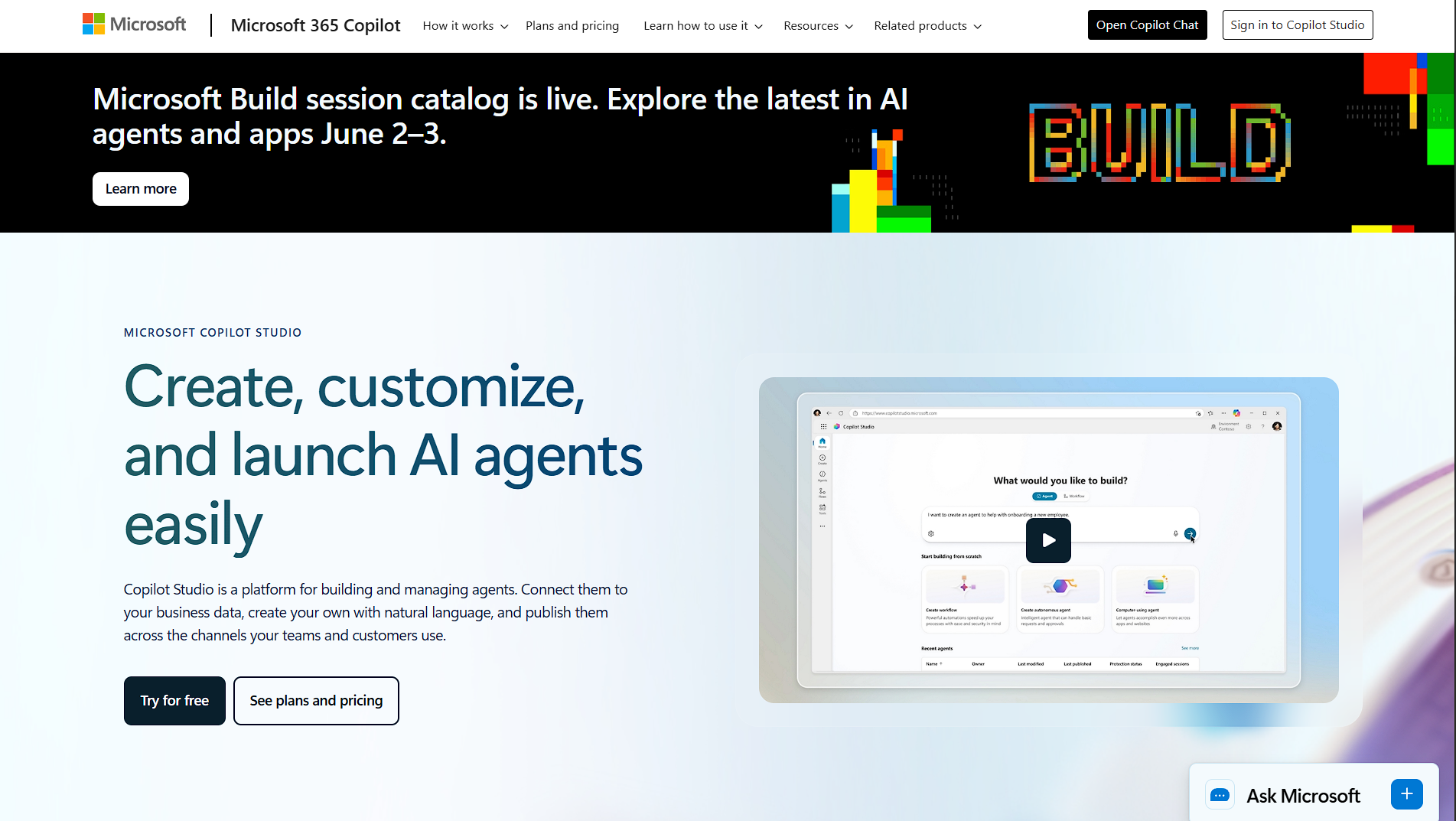
Microsoft Copilot Studio
M365-native
Visit Website
3.
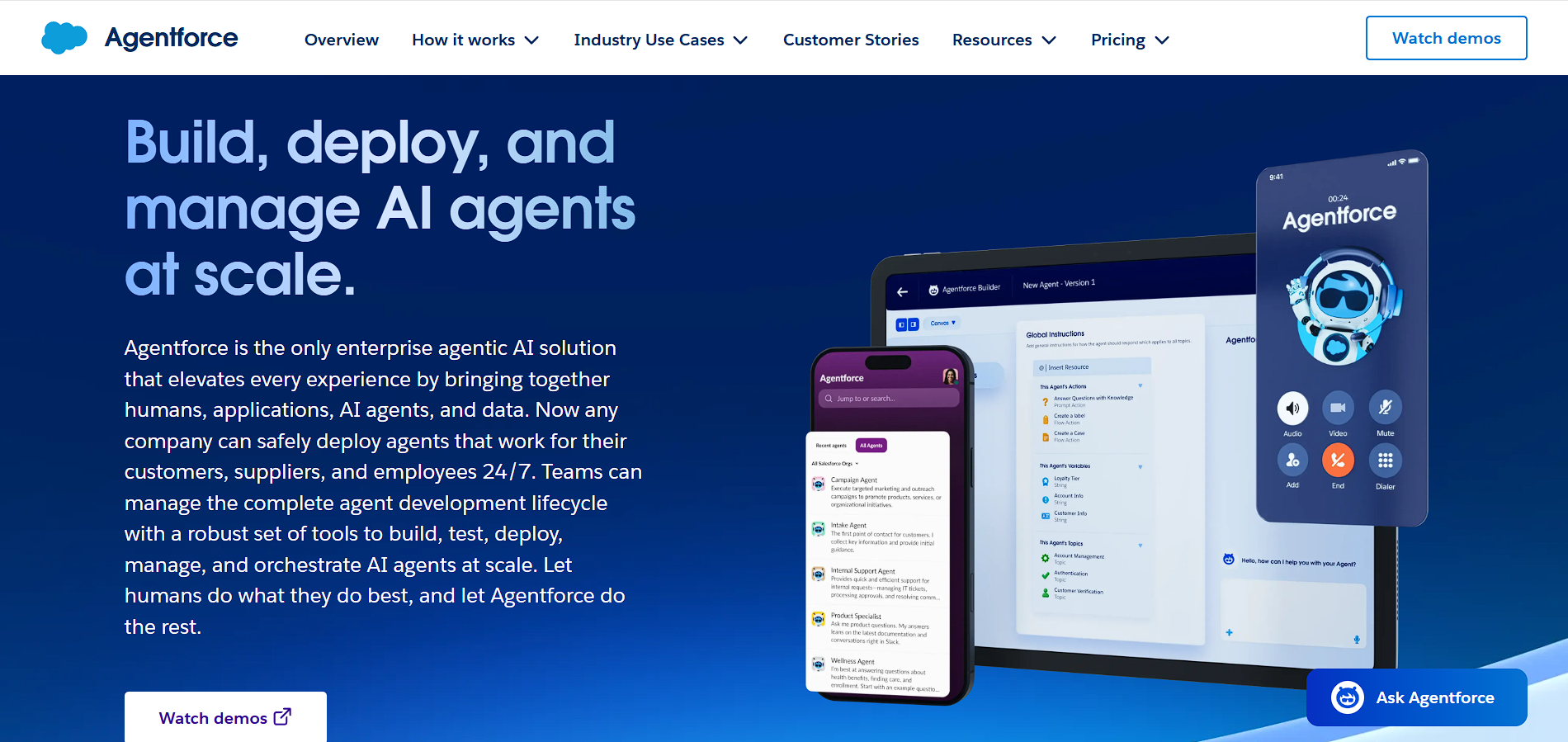
Salesforce Agentforce
Salesforce Data Cloud
Visit Website
4.
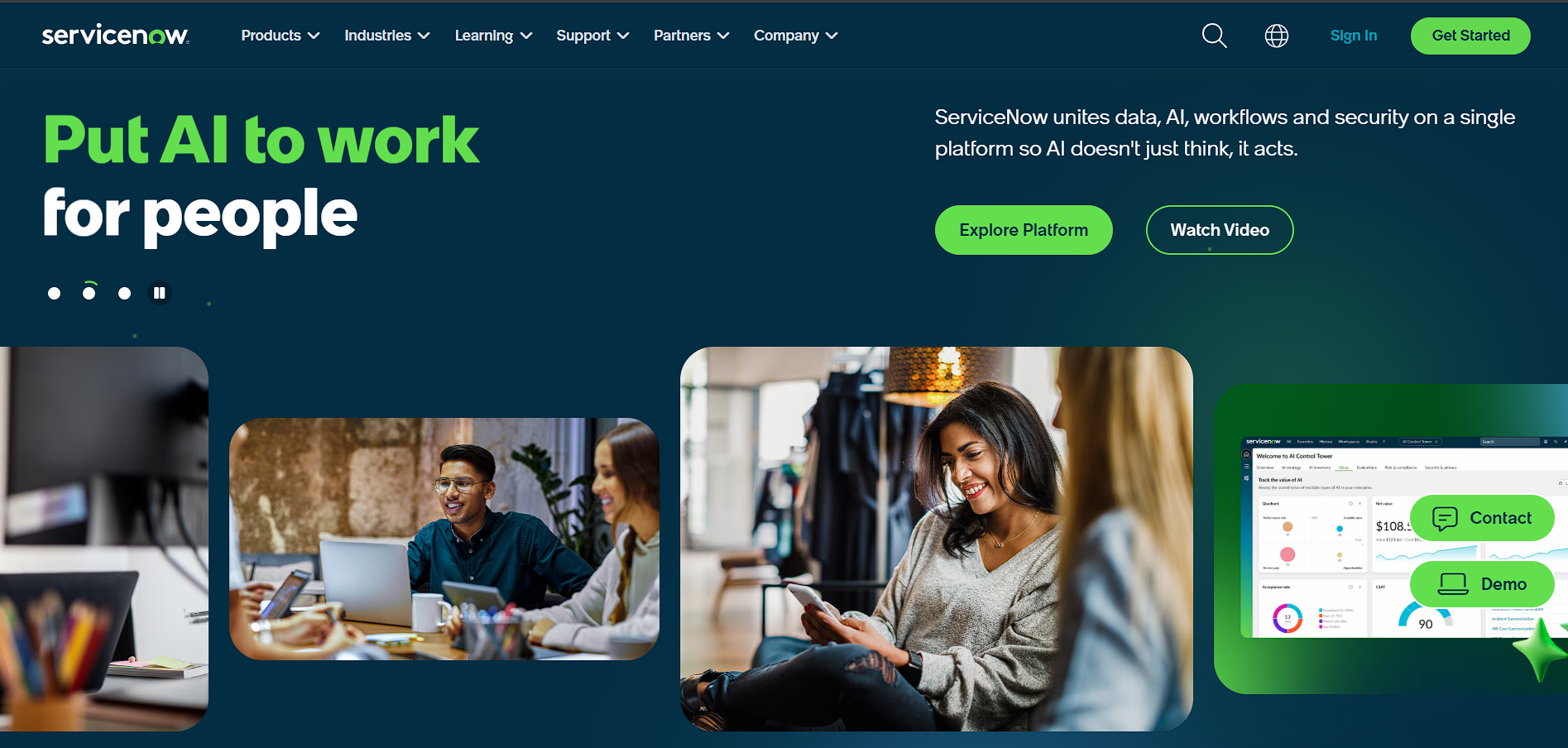
ServiceNow AI Agents
ServiceNow Platform
Visit Website
5.
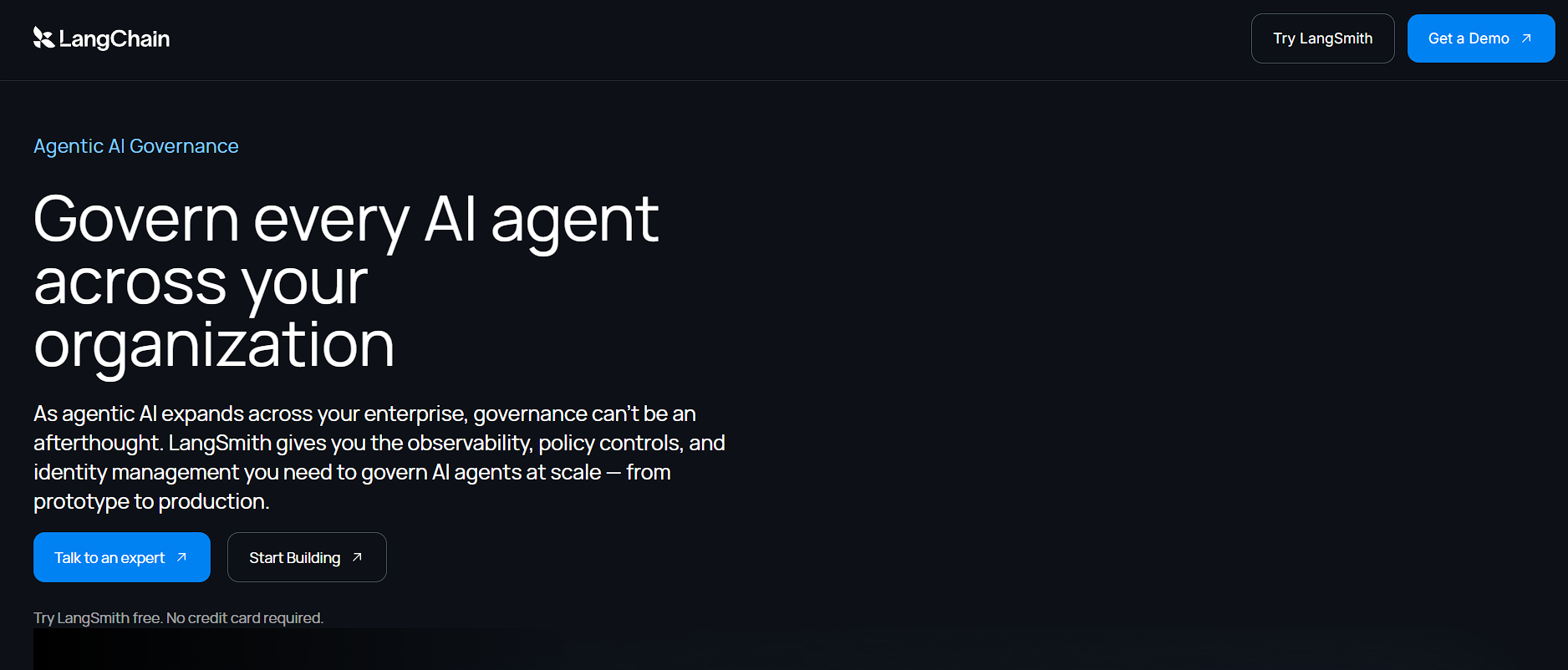
LangGraph (LangChain Ecosystem)
Hybrid/On-Prem
Visit Website
6.
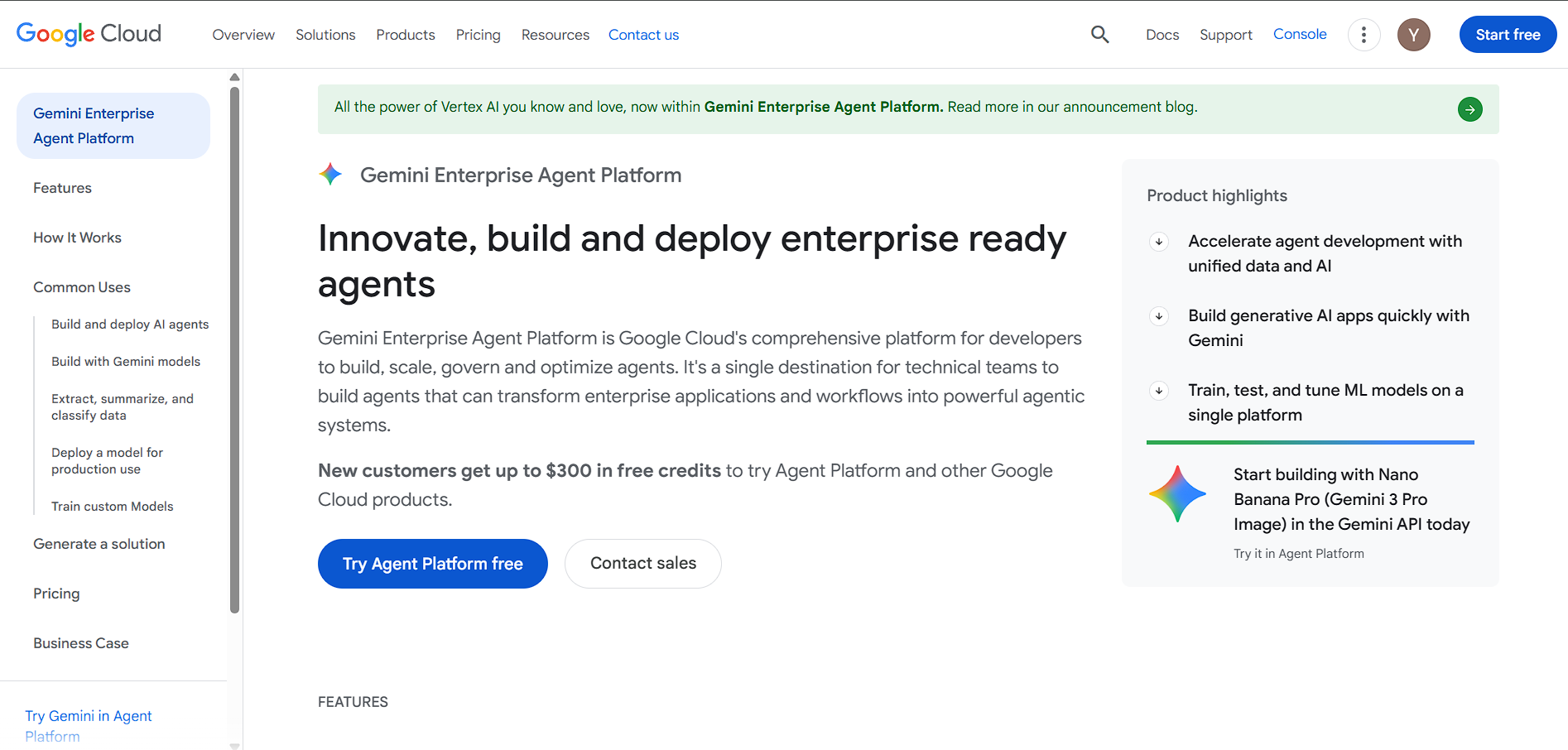
Google Gemini Enterprise Agent Platform (Formerly Vertex AI)
Google Cloud Platform
Visit Website
7.
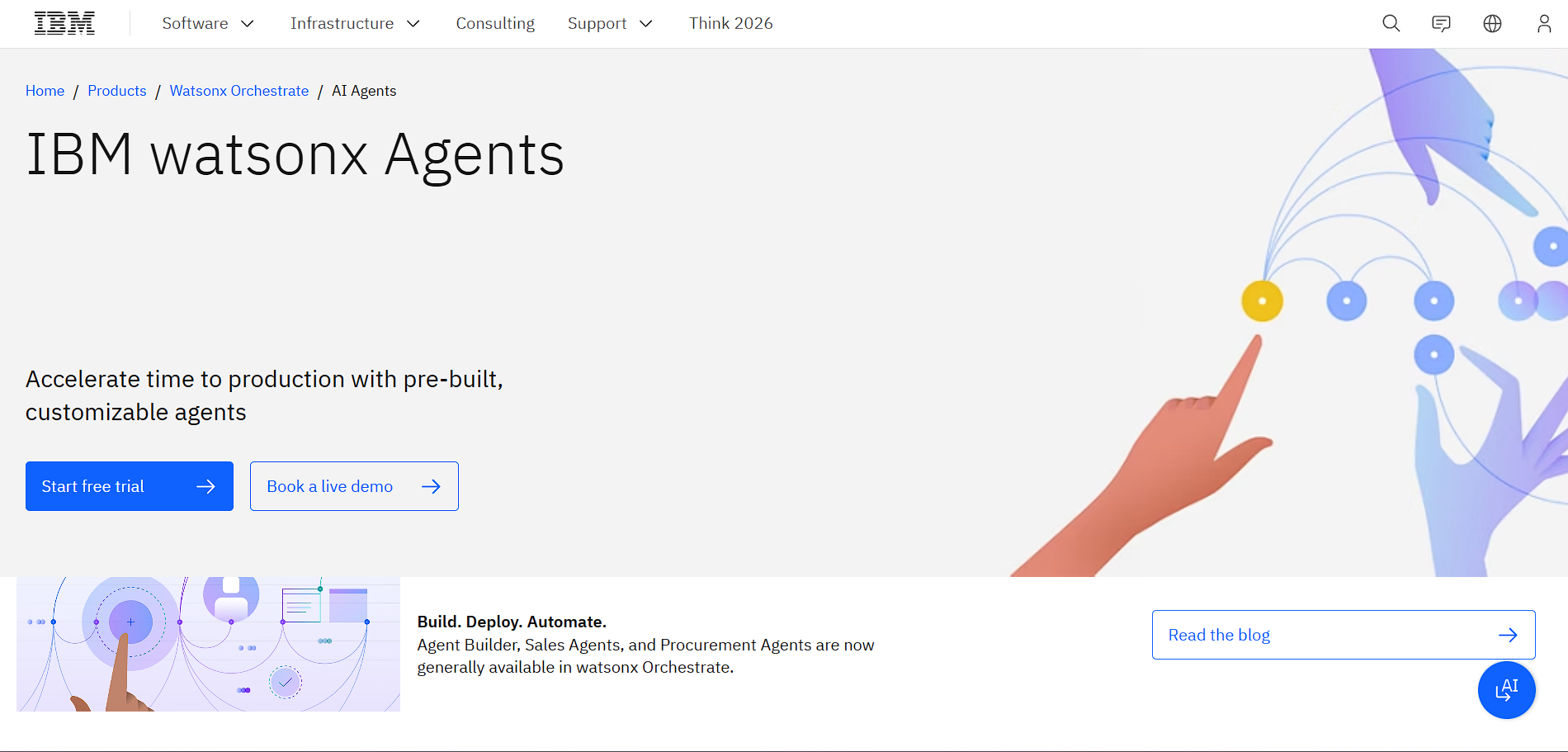
IBM watsonx Orchestrate
Hybrid/On-Prem
Visit Website
8.
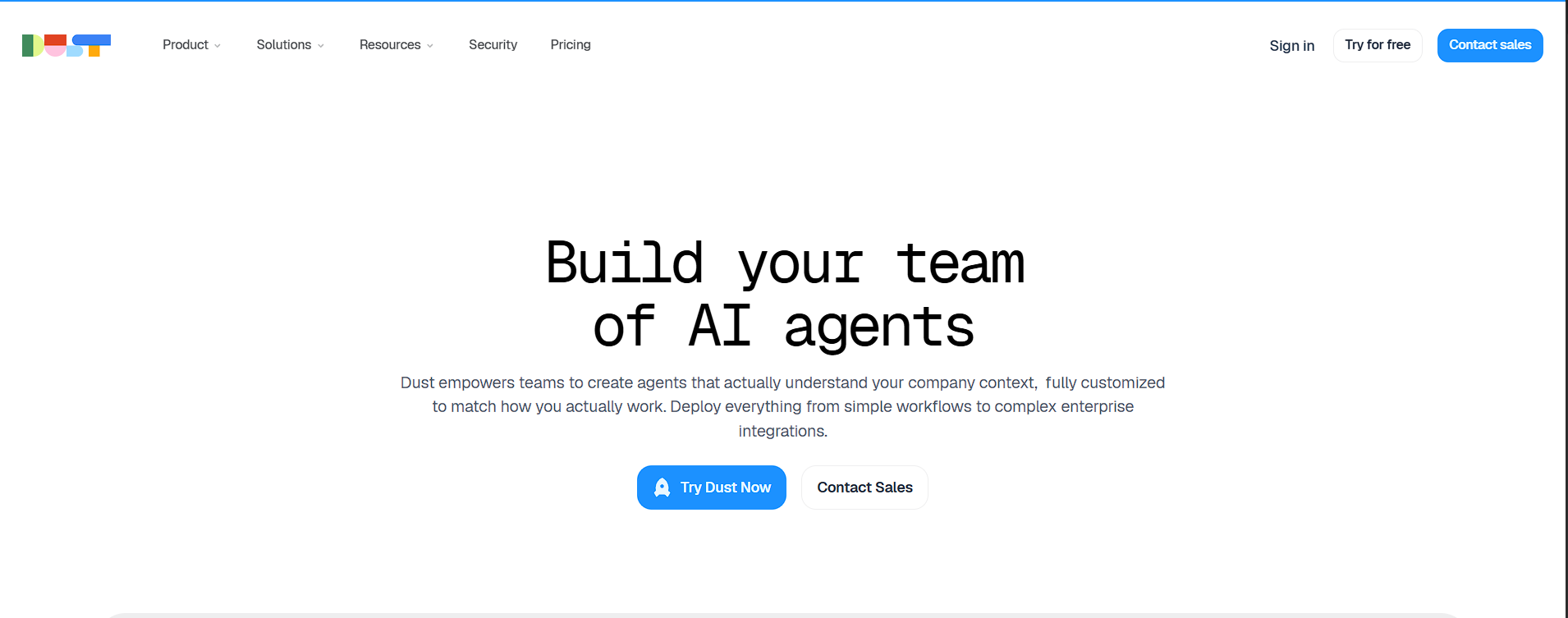
Dust
Visit Website
Platform
Primary Target User
Model Flexibility
Governance Maturity
Deployment Time
Low-Code Developers
High (Azure Ecosystem)
Strong (M365 Inherited)
Rapid (Days)
Developing Your Shortlist Strategy
When selecting a foundational AI agent vendor, it is paramount to map the platform directly to your core business objectives and architectural requirements.
The best platform choice depends on your starting point:
By standardizing on a platform that aligns with your internal technical capabilities and security requirements, your organization can avoid costly migration cycles and scale autonomous automation with confidence
Frequently Asked Questions
1. What is the difference between an open-source framework and an enterprise agent platform?
An open-source framework (such as LangGraph or CrewAI) provides the raw code primitives and libraries needed to design custom agent logic from scratch. An enterprise agent platform (such as ServiceNow or Google Gemini Enterprise) provides a fully managed infrastructure environment, including ready-to-use security guardrails, data visualization dashboards, prebuilt application connectors, and centralized user billing management.
2. What is semantic tracing in an AI agent platform?
Semantic tracing is an advanced debugging and logging capability that captures every sequential step in an autonomous agent's reasoning loop. It records how the agent broke down a prompt, which databases it queried, what data it retrieved, how it evaluated that data, and the specific API code it executed, providing a complete, step-by-step audit log for corporate compliance teams.
3. How do enterprise agent platforms prevent unauthorized data access?
Top-tier platforms enforce data privacy by integrating natively with your organization's existing identity management systems and Role-Based Access Control (RBAC). If a general employee prompts an autonomous agent to act, the platform’s security layer restricts the agent from reading or pulling information from corporate systems that the employee does not have explicit human permission to view.
4. Can enterprise agent platforms run multiple types of language models simultaneously?
Yes. Modern platforms are increasingly model-agnostic. This architectural choice enables a multi-agent system to use a highly advanced, complex model (such as Claude 3.5 Sonnet) for macro-planning and strategy, while using smaller, faster, and more cost-effective models (such as Llama 3 or Google Flash) to handle simple, high-volume data-entry sub-tasks, thereby drastically reducing operational token costs.
Ready to Standardize Your Enterprise AI Architecture?
Evaluating your options for a 2026 AI deployment? Don't get locked into an architecture that limits your data choices.
Book a 30-minute architecture review with the Chapter Enterprise team, and we will tell you honestly whether an incumbent platform or a custom orchestrator fits your current software layout.
Book an Enterprise AI Review

Enterprise AI agents that automate operations, scale infinitely, and work 24/7. Transform your business with intelligent automation.


Product
Resources
Security
Address
675, High Street, Palo AltoCA 94301, California, USA
info@chapterapps.ai
Contact No.
+1 (650) 924-9997
© 2025 Chapter Enterprise. All rights reserved.
The year 2026 marks a structural shift in enterprise software. The market has definitively moved past the era of isolated chatbots and simple conversational copilots. Today, Fortune 500 companies' capital allocations are heavily focused on autonomous execution systems and AI agents capable of planning multi-step tasks, calling enterprise APIs, and resolving operational exceptions entirely in the background.
However, this rapid maturation has created an incredibly crowded vendor ecosystem. Every legacy software suite and cloud infrastructure provider has rebranded their offerings around "agentic workflows." For enterprise technology leaders, separating true system-level orchestration from basic API wrappers is a high-stakes challenge. Choosing the wrong foundational agent platform can result in severe vendor lock-in, compliance failures, and fragmented data silos.
To help you cut through the market noise, this guide presents an objective, architectural evaluation framework for assessing AI agent infrastructure. We analyze the top 8 enterprise agent platforms dominating the market in 2026 based on their core capabilities, integration ecosystems, and governance
models.
The 2026 Enterprise Evaluation Framework
Evaluating an enterprise AI agent platform requires looking far beyond a user-friendly drag-and-drop interface. To support hundreds of production-grade autonomous workloads, your platform must meet strict architectural criteria.
When building an enterprise RFP or vendor assessment matrix, prioritize these four pillars:
THE 4 PILLARS OF AGENT EVALUATION
The Top 8 Enterprise AI Agent Platforms Reviewed
1.
Chapter Enterprise
Best For: Cross-system automation, enterprises with legacy infrastructure, or highly specific workflow requirements that incumbents cannot natively support.
Model-Agnostic
Visit Website
2.
Microsoft Copilot Studio
M365-native
Visit Website
3.
Salesforce Agentforce
Salesforce Data Cloud
Visit Website
4.
ServiceNow AI Agents
ServiceNow Platform
Visit Website
5.
LangGraph (LangChain Ecosystem)
Hybrid/On-Prem
Visit Website
6.
Google Gemini Enterprise Agent Platform (Formerly Vertex AI)
Google Cloud Platform
Visit Website
7.
IBM watsonx Orchestrate
Hybrid/On-Prem
Visit Website
8.
Dust
Visit Website
Platform
Primary Target User
Model Flexibility
Governance Maturity
Deployment Time
Low-Code Developers
High (Azure Ecosystem)
Strong (M365 Inherited)
Rapid (Days)
Developing Your Shortlist Strategy
When selecting a foundational AI agent vendor, it is paramount to map the platform directly to your core business objectives and architectural requirements.
The best platform choice depends on your starting point:
By standardizing on a platform that aligns with your internal technical capabilities and security requirements, your organization can avoid costly migration cycles and scale autonomous automation with confidence
Frequently Asked Questions
1. What is the difference between an open-source framework and an enterprise agent platform?
An open-source framework (such as LangGraph or CrewAI) provides the raw code primitives and libraries needed to design custom agent logic from scratch. An enterprise agent platform (such as ServiceNow or Google Gemini Enterprise) provides a fully managed infrastructure environment, including ready-to-use security guardrails, data visualization dashboards, prebuilt application connectors, and centralized user billing management.
2. What is semantic tracing in an AI agent platform?
Semantic tracing is an advanced debugging and logging capability that captures every sequential step in an autonomous agent's reasoning loop. It records how the agent broke down a prompt, which databases it queried, what data it retrieved, how it evaluated that data, and the specific API code it executed, providing a complete, step-by-step audit log for corporate compliance teams.
3. How do enterprise agent platforms prevent unauthorized data access?
Top-tier platforms enforce data privacy by integrating natively with your organization's existing identity management systems and Role-Based Access Control (RBAC). If a general employee prompts an autonomous agent to act, the platform’s security layer restricts the agent from reading or pulling information from corporate systems that the employee does not have explicit human permission to view.
4. Can enterprise agent platforms run multiple types of language models simultaneously?
Yes. Modern platforms are increasingly model-agnostic. This architectural choice enables a multi-agent system to use a highly advanced, complex model (such as Claude 3.5 Sonnet) for macro-planning and strategy, while using smaller, faster, and more cost-effective models (such as Llama 3 or Google Flash) to handle simple, high-volume data-entry sub-tasks, thereby drastically reducing operational token costs.
Ready to Standardize Your Enterprise AI Architecture?
Evaluating your options for a 2026 AI deployment? Don't get locked into an architecture that limits your data choices.
Book a 30-minute architecture review with the Chapter Enterprise team, and we will tell you honestly whether an incumbent platform or a custom orchestrator fits your current software layout.
Book an Enterprise AI Review
Enterprise AI agents that automate operations, scale infinitely, and work 24/7. Transform your business with intelligent automation.
Product
Resources
Security
Address
675, High Street, Palo AltoCA 94301, California, USA
info@chapterapps.ai
Contact No.
+1 (650) 924-9997
© 2025 Chapter Enterprise. All rights reserved.